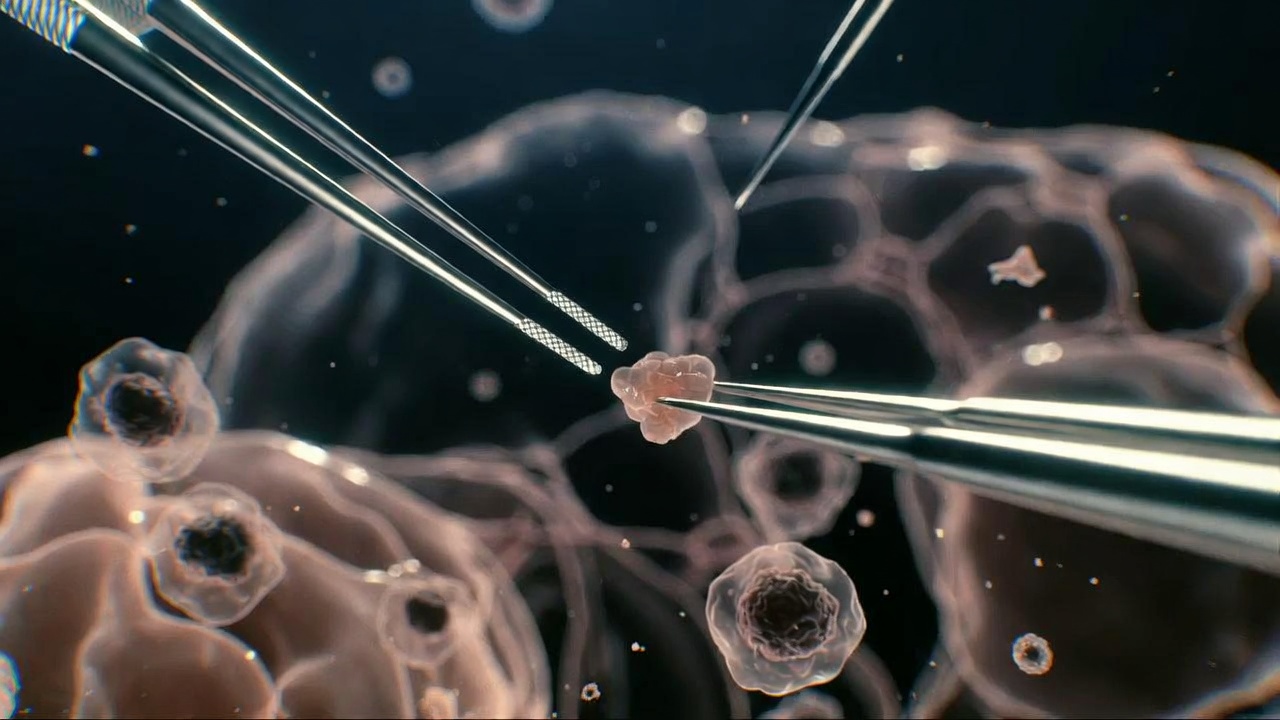

Microscopic Brain Tumor Surgery: A Comprehensive Guide to Advanced Neurosurgical Precision
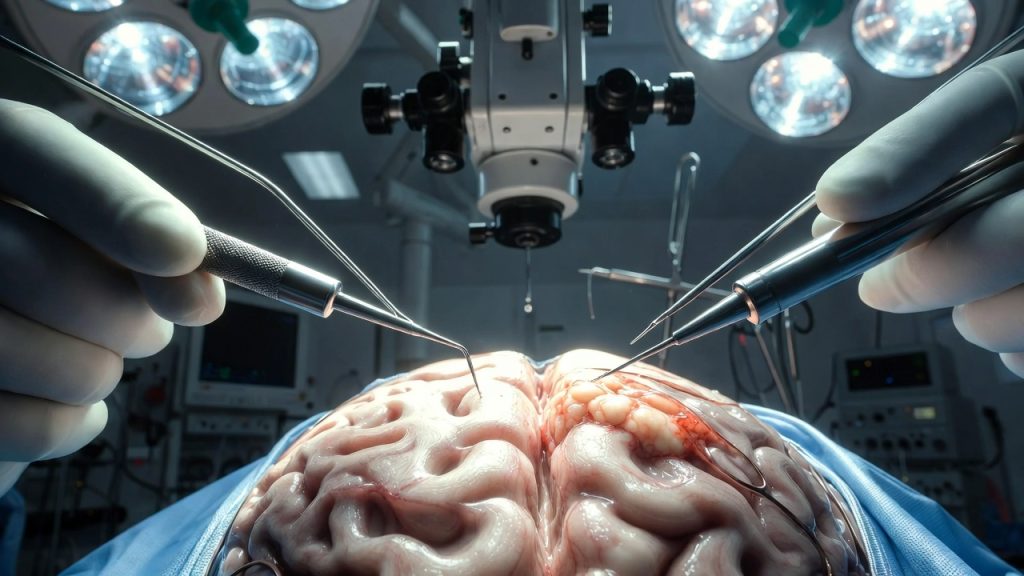
Microscopic brain tumor surgery represents one of the most significant advancements in modern neurosurgery. By combining high-powered surgical microscopes, advanced imaging systems, and minimally invasive techniques, neurosurgeons can remove tumors with remarkable precision while preserving healthy brain tissue. This approach has dramatically improved patient safety, surgical outcomes, and long-term survival rates.
In this in-depth guide, we will explore everything you need to know about microscopic brain tumor surgery—what it is, how it works, its benefits, risks, recovery process, technological innovations, and future developments.
What Is Microscopic Brain Tumor Surgery?
Microscopic brain tumor surgery is a specialized neurosurgical procedure that uses a high-powered operating microscope to remove brain tumors with enhanced visualization and precision. The surgical microscope provides magnification and illumination, allowing surgeons to differentiate between tumor tissue and healthy brain structures.
Unlike traditional brain surgery performed with the naked eye, microscopic techniques enable:
- Greater accuracy
- Reduced damage to surrounding tissues
- Smaller incisions
- Improved surgical outcomes
- Lower complication rates
This technique is commonly used to treat:
- Gliomas
- Meningiomas
- Pituitary adenomas
- Acoustic neuromas
- Metastatic brain tumors
The Evolution of Brain Tumor Surgery
Brain surgery has evolved significantly over the last century. Early neurosurgical pioneers such as Harvey Cushing laid the foundation for modern brain tumor operations by improving surgical techniques and introducing meticulous operative methods.
The introduction of the surgical microscope in the mid-20th century revolutionized neurosurgery. What was once considered highly risky and often fatal became safer and more controlled. Today, microscopic brain tumor surgery is considered the gold standard for many intracranial tumor resections.
Leading medical institutions such as Mayo Clinic, Johns Hopkins Hospital, and Cleveland Clinic have played major roles in advancing microsurgical brain tumor techniques through research, innovation, and training.
Types of Brain Tumors Treated with Microscopic Surgery
Microscopic techniques are applicable to both benign and malignant tumors.
1. Gliomas
Gliomas originate from glial cells and can range from low-grade to highly aggressive forms. Microscopic surgery allows maximal tumor removal while preserving functional brain areas.
2. Meningiomas
Meningiomas arise from the meninges (the brain’s protective layers). Many are benign but may compress surrounding brain tissue. Microscopic resection offers high success rates.
3. Pituitary Tumors
Often accessed through minimally invasive transsphenoidal approaches, microscopic surgery is commonly used to remove pituitary adenomas.
4. Acoustic Neuromas
These tumors affect the vestibular nerve and can impact hearing and balance. Microscopic techniques help preserve facial nerve function.
5. Metastatic Brain Tumors
When cancer spreads from other parts of the body to the brain, microsurgery can remove isolated metastases effectively.
How Microscopic Brain Tumor Surgery Works
Preoperative Planning
Before surgery, patients undergo comprehensive imaging studies, including:
- MRI (Magnetic Resonance Imaging)
- CT scans
- Functional MRI (fMRI)
- Diffusion tensor imaging (DTI)
These imaging tools help map critical brain functions such as speech, movement, and sensation.
Advanced surgical planning software allows neurosurgeons to determine the safest pathway to the tumor.
During the Procedure
Microscopic brain tumor surgery generally follows these steps:
- Anesthesia Administration – The patient is placed under general anesthesia.
- Craniotomy – A small section of skull is temporarily removed.
- Microscopic Visualization – The operating microscope provides magnified, illuminated views of the tumor.
- Tumor Resection – The tumor is carefully separated from healthy tissue.
- Hemostasis and Closure – Bleeding is controlled, and the skull is replaced and secured.
In some cases, awake brain surgery may be performed to monitor speech or motor function during tumor removal.
Technologies Used in Microscopic Brain Tumor Surgery
Modern neurosurgery integrates multiple advanced technologies:
1. Surgical Operating Microscope
Provides high-definition magnification and 3D visualization.
2. Neuronavigation Systems
Often called “GPS for the brain,” these systems guide surgeons using real-time imaging.
3. Intraoperative MRI
Allows surgeons to confirm tumor removal during the operation.
4. Fluorescence-Guided Surgery
Certain dyes make tumor cells glow under specific lighting, improving resection accuracy.
5. Neurophysiological Monitoring
Monitors brain and nerve function during surgery to reduce neurological damage.
Benefits of Microscopic Brain Tumor Surgery
Microscopic techniques provide numerous advantages:
1. Increased Precision
High magnification enables surgeons to distinguish between tumor and healthy tissue more effectively.
2. Reduced Brain Trauma
Smaller surgical corridors minimize disruption.
3. Lower Risk of Complications
Reduced bleeding and nerve damage.
4. Improved Functional Outcomes
Better preservation of speech, motor skills, and cognition.
5. Faster Recovery
Patients often experience shorter hospital stays compared to traditional open procedures.
Risks and Potential Complications
Despite its advantages, microscopic brain tumor surgery still carries risks:
- Infection
- Bleeding
- Swelling (brain edema)
- Seizures
- Neurological deficits
- Stroke
Risk levels depend on tumor size, location, and patient health. Tumors near critical brain areas increase surgical complexity.
According to global cancer data from the World Health Organization, early diagnosis and specialized treatment significantly improve outcomes for patients with brain tumors.
Recovery After Microscopic Brain Tumor Surgery
Immediate Postoperative Care
Patients are monitored in an intensive care or specialized neurosurgical unit. Vital signs and neurological status are closely observed.
Hospital Stay
Most patients remain hospitalized for several days to a week, depending on complexity.
Rehabilitation
Some patients may require:
- Physical therapy
- Occupational therapy
- Speech therapy
- Cognitive rehabilitation
Long-Term Monitoring
Follow-up MRI scans are conducted to monitor for recurrence.
Who Is a Candidate for Microscopic Brain Tumor Surgery?
Ideal candidates include patients with:
- Localized brain tumors
- Tumors accessible without extensive brain disruption
- Good overall health status
- Minimal systemic disease
Not all tumors require surgery. Some may be treated with radiation therapy, chemotherapy, or targeted therapies instead.
A multidisciplinary team—including neurosurgeons, oncologists, radiologists, and neurologists—determines the best treatment approach.
Minimally Invasive Approaches in Microsurgery
Microscopic brain tumor surgery often overlaps with minimally invasive techniques:
Keyhole Craniotomy
Smaller openings in the skull reduce trauma.
Endoscopic-Assisted Microsurgery
Combines microscope precision with endoscopic visualization.
Transsphenoidal Surgery
Used for pituitary tumors through the nasal passage.
These techniques reduce:
- Scarring
- Postoperative pain
- Recovery time
Awake Microscopic Brain Tumor Surgery
In cases where tumors are located near speech or motor centers, surgeons may perform awake craniotomy.
During the procedure:
- The patient is awake but pain-free.
- Surgeons test speech and movement in real time.
- Critical functions are preserved.
This approach significantly reduces the risk of permanent neurological deficits.
Survival Rates and Outcomes
Outcomes vary based on:
- Tumor type
- Tumor grade
- Location
- Extent of resection
- Patient age and health
For benign tumors such as meningiomas, complete surgical removal often results in excellent long-term prognosis.
For malignant tumors such as high-grade gliomas, surgery improves survival when combined with radiation and chemotherapy.
The goal is often “maximal safe resection,” meaning as much tumor as possible is removed without harming critical brain function.
Cost of Microscopic Brain Tumor Surgery
The cost varies depending on:
- Geographic location
- Hospital type
- Surgical complexity
- Insurance coverage
In advanced healthcare systems, microscopic brain tumor surgery may range from tens of thousands to over $100,000 without insurance.
Major medical centers often provide financial counseling and payment assistance programs.
Choosing the Right Neurosurgeon
When considering microscopic brain tumor surgery, patients should evaluate:
- Board certification in neurosurgery
- Subspecialty expertise in brain tumor surgery
- Hospital accreditation
- Experience with advanced microsurgical techniques
- Patient outcome statistics
Seeking a second opinion is common and encouraged for complex cases.
The Future of Microscopic Brain Tumor Surgery
The field continues to evolve rapidly.
Artificial Intelligence Integration
AI-assisted imaging may improve tumor detection and surgical planning.
Robotic-Assisted Microsurgery
Enhances stability and precision in delicate procedures.
Augmented Reality
Surgeons may soon visualize tumor boundaries projected into their field of view.
Molecular and Genetic Targeting
Personalized medicine may reduce the need for aggressive surgical removal in some cases.
The future promises even safer, more effective brain tumor treatments.
Frequently Asked Questions (FAQ)
Is microscopic brain tumor surgery safe?
While no brain surgery is completely risk-free, microscopic techniques significantly improve safety compared to traditional approaches.
How long does the surgery take?
Procedures can range from 2 to 8 hours, depending on complexity.
Will I lose hair?
Only a small portion of hair near the incision site may be shaved.
Can brain tumors return after surgery?
Yes, especially malignant tumors. Regular follow-up imaging is essential.
Is radiation always required afterward?
Not always. It depends on tumor type and surgical outcome.
Emotional and Psychological Support
A brain tumor diagnosis can be overwhelming. Emotional support is crucial:
- Counseling
- Support groups
- Neuropsychological services
- Family education
Comprehensive care addresses both physical and psychological well-being.
Final thoughts:
Microscopic brain tumor surgery represents a remarkable advancement in neurosurgical science. Through magnification, precision instruments, and cutting-edge imaging, surgeons can safely remove complex brain tumors while preserving vital neurological function.
As technology continues to evolve, patient outcomes are steadily improving. Institutions worldwide continue refining microsurgical techniques, giving hope to individuals diagnosed with brain tumors.
If you or a loved one is facing a brain tumor diagnosis, consulting with a specialized neurosurgical center can help determine whether microscopic brain tumor surgery is the most appropriate treatment option.
Early detection, expert surgical care, and comprehensive postoperative management remain the pillars of successful brain tumor treatment.